

ILEA Lunch and Learn: Lessons from Event Industry Leaders
How do you price your services so that your business can thrive? When is a discount a smart investment? And how do you recognize when an opportunity will cost more than it’s worth?
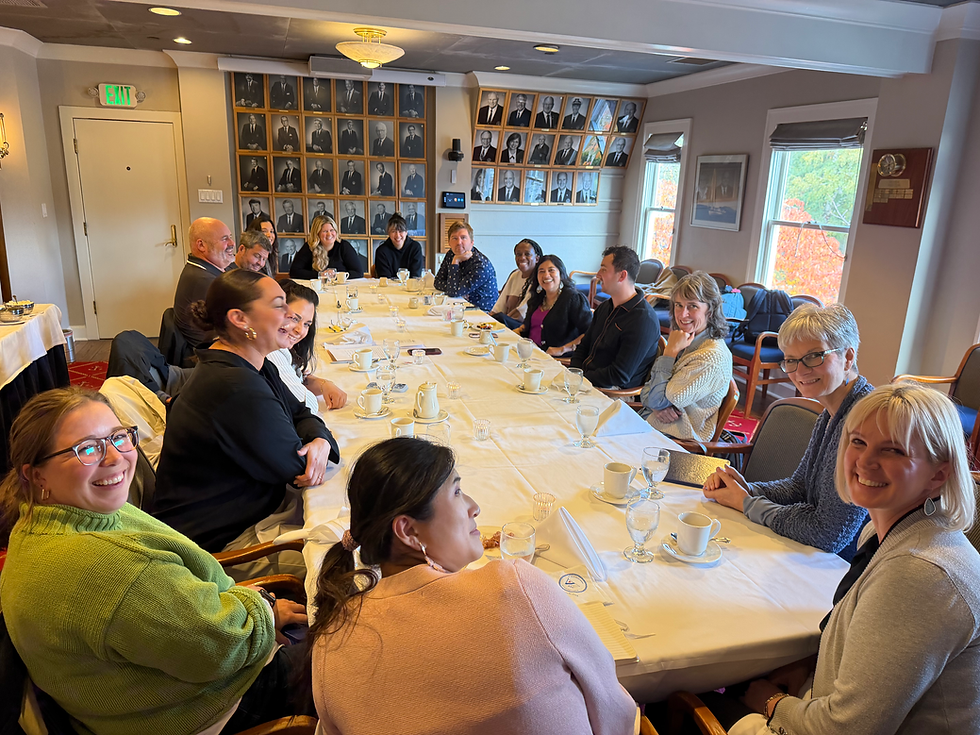
These questions sparked a candid conversation at ILEA Seattle’s first Lunch Lessons with Leaders on November 5. Featured leaders Gazala Uradnik of GFS Events and David Schwartz of Orion Entertainment joined moderator Tristin Heiser and a table of event professionals to discuss pricing, profitability, client expectations, and the lessons learned along the way.
With planners, entertainment providers, florists, caterers, venue professionals, and other event vendors contributing their perspectives, we all shared lessons from past events and practices that we now employ as a result of those lessons. Let’s run through some of the key talking points.
The Constant Back and Forth with Scope Creep.
An event’s price tag tells only part of the financial story. Once staffing is paid, the remaining revenue still needs to cover planning, administration, marketing, software, insurance, and other overhead before it becomes profit.
Gazala shared how GFS Events uses a client calculator to estimate the time required from producers, coordinators, and herself. That includes the work clients may never see: internal meetings, oversight, preparation, and ongoing communication.
David explained how Orion’s pricing accounts for staffing minimums and the opportunity cost of committing a team member to an event. A short performance can still require travel, setup, breakdown, and reserving a date that could otherwise go to another booking. Events very quickly can spiral out of control when you do not stand firm on what you had to provide for an event.
The main takeaway: Do not allow a client to dictate what services you can or cannot provide, utilize your pricing to help clarify your role for each event you take on.
Better Questions Lead to Better Proposals
One of the strongest themes throughout the lunch was exploring what lessons were learned throughout the proposal process with a client.
A client may describe an event as simple because they haven’t considered everything required to execute it. A request for “just a DJ,” for example, may eventually include facilitating games, leading activities, and serving as the event’s MC. When clients request for increased services that are made after contracts are agreed upon, that leads to a floodgate of additional requests.
David discussed how identifying those needs early helps Orion recommend appropriate staffing and establish clear expectations. Gazala shared similar experiences with clients who believe most of their planning is complete, only for substantial coordination needs to emerge later.
Thoughtful discovery helps clients understand what they need and gives vendors the information necessary to price the work accurately.
Turn Difficult Experiences into Clearer Boundaries
There are events that all of us have worked that have gone from manageable to out of control. You must beware the extra task, the additional hour, or the last-minute request that seems small until several requests accumulate.
Members described what shaped their contracts and processes. Defining staffing levels, hours on site, equipment needs, and additional services makes it easier to respond confidently when a request falls outside the original agreement.
Clear boundaries can also support a positive response. When the cost of an additional service is already established, a vendor can explain how to accommodate it and what it will cost.
It was also mentioned however, that occasional flexibility can make sense. When extra services are provided at no charge, sometimes it can be to maintain a good relationship with a reliable client. And, when you provide those services, next time around you can then add those services to discovery calls and contracts.
All of this to say that while yes, it depends on the client, typically one should not allow your set contact to be bent by client requests beyond the scope of the agreed upon terms.
Explain the Experience Your Pricing Supports
Packages and custom proposals both have a place when it comes to helping establish boundaries with clients. For example, if your DJ package can handle 250 people, and you recieve a client who is only hosting 50 people. You are still bringing the equipment to manage 250 people. Don't budge on your pricing. Because that equipment is needed for you to fully do your job, even if you feel compelled to lower pricing due to event attendence.
On top of that, you need to communicate these prices and the reason you set them! The package you sell needs to be consistent, and should encompass everything you need for each event, not what the client thinks you need. Also, clients can make more informed decisions when they understand how staffing, production, and preparation contribute to the result they want.
Give Yourself Permission to Raise Your Prices
Both speakers described regularly reviewing and increasing their pricing as costs rise and their businesses evolve. For newer business owners, that can feel uncomfortable. The possibility of losing an inquiry is real, and even experienced owners can question whether they are charging too much.
Gazala offered a useful reminder: avoid making the client’s buying decision for them. You may assume a proposal is beyond someone’s budget without understanding what they value or why they want your expertise. Present the service, explain its value, and allow the client to decide.
And remember, when the fit isn’t right, referring them to another vendor or simply not taking the client is always an option. Remember that we in the event industry have a hard time saying no. Only you as the event manager or DJ or whoever can establish your professional boundaries.
Make Discounts Intentional—and Visible
Discounts can be a muddy subject due to how they can create similar problems as scope creep, where you begin to do more than you bargained for.
A reduced rate may support a valued relationship, introduce a service, fill a quieter date, or contribute to a meaningful sponsorship. The key is understanding the purpose and the cost.
Examples of sponsorship opportunities with very different outcomes, illustrating why promised exposure deserves careful consideration. Who will attend? What recognition will be provided? Does the opportunity connect with the audience you want to reach?
The group also discussed how easily a temporary discount can become a permanent expectation. Clearly identifying an introductory offer, relationship discount, or complimentary service gives clients context and makes future pricing conversations easier.
For longstanding arrangements that have become unsustainable, suggestions included gradually reducing complimentary items or applying a relationship discount to current pricing.
Keep Learning from Each Other
The lunch’s conversational format gave members room to share challenges, and ask questions that can be difficult to discuss elsewhere. There was no single pricing formula that fit every business at the table. There were, however, shared habits worth taking home: track your costs, clarify expectations, communicate your value, and understand why you’re making an exception.
Thank you to all of the members, new and old who attended! Thank you also to Gazala, David, and everyone who contributed to the first Lunch Lessons with Leaders.


